
Introduction
Colombian coffee has earned a distinguished reputation worldwide for its exceptional quality and flavor. The combination of ideal geographic conditions, meticulous farming practices, and a deep-rooted coffee culture makes Colombian coffee a favorite among coffee enthusiasts. This article explores the various factors contributing to the global acclaim of Colombian coffee.
Ideal Geographic Conditions
Colombia’s unique geography offers perfect conditions for coffee cultivation. The country is situated along the equator, providing consistent sunlight and optimal temperatures throughout the year. Additionally, Colombia’s diverse topography, with its mountainous regions and high altitudes, creates microclimates that are ideal for growing Arabica beans, known for their superior quality and complex flavor profiles.
Rich Soil and Optimal Climate
The volcanic soil in Colombia is rich in nutrients, contributing to the robust growth of coffee plants. The soil’s composition, coupled with the country’s tropical climate, results in beans that are full-bodied and rich in flavor. The frequent rainfall and well-defined dry and wet seasons ensure that coffee plants receive the right amount of water and sunlight, essential for producing high-quality beans.
Meticulous Farming Practices
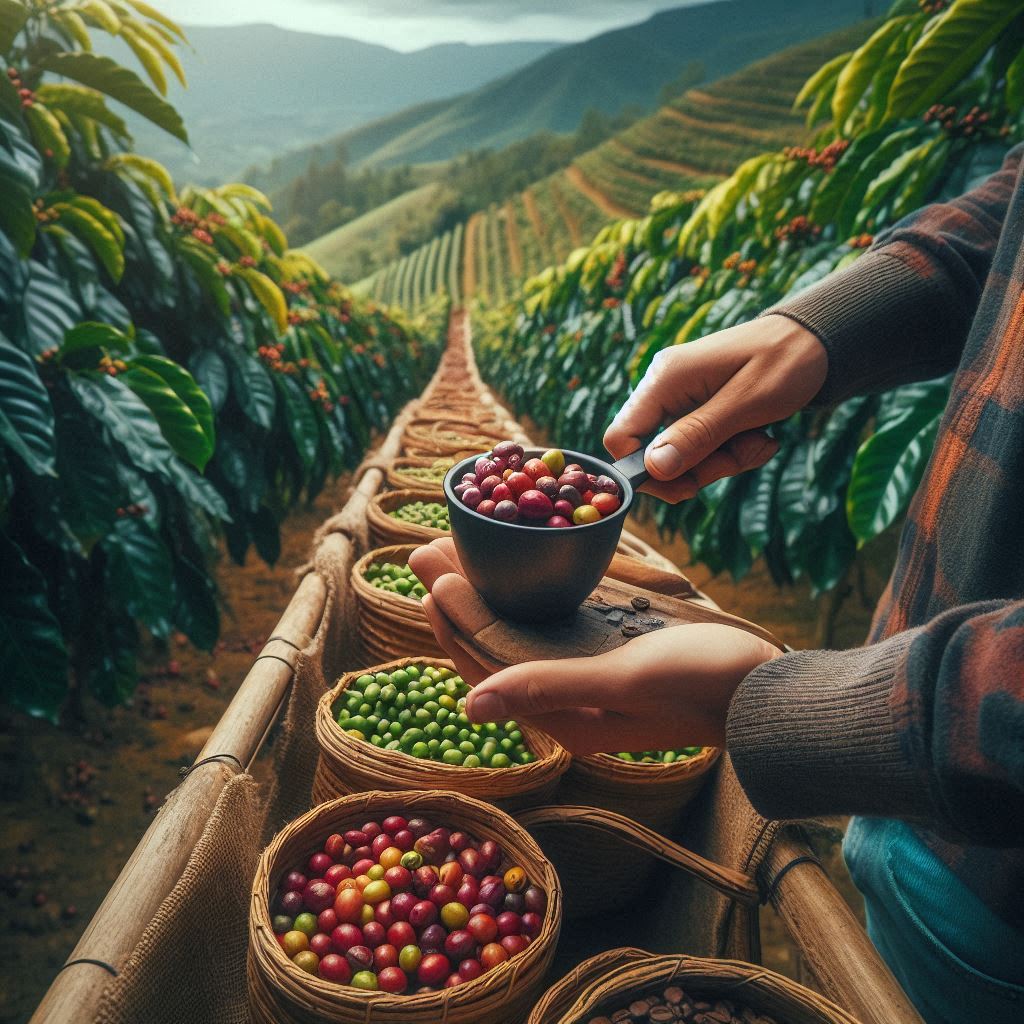
Colombian coffee farmers, known as caficultores, adhere to traditional farming methods that emphasize quality over quantity. Hand-picking beans ensures that only the ripest cherries are harvested, preventing the inclusion of under-ripe or over-ripe beans. This labor-intensive process, though time-consuming, significantly enhances the coffee’s quality. Moreover, Colombia’s commitment to sustainable farming practices ensures that coffee production does not harm the environment.
Distinctive Flavor Profile
Colombian coffee is renowned for its balanced flavor profile, characterized by a harmonious blend of acidity, body, and sweetness. The coffee often exhibits fruity and floral notes, with a bright acidity that is both vibrant and smooth. This distinctive flavor profile is a result of the ideal growing conditions and meticulous processing methods employed by Colombian farmers.
Cultural Significance and Tradition
Coffee is deeply ingrained in Colombian culture and heritage. The National Federation of Coffee Growers of Colombia, established in 1927, plays a crucial role in promoting and protecting the interests of Colombian coffee farmers. The federation ensures that Colombian coffee maintains its high standards and global reputation. The country’s coffee culture is also celebrated through various festivals and traditions, further enhancing its global appeal.
Conclusion
The combination of ideal geographic conditions, rich soil, optimal climate, meticulous farming practices, distinctive flavor profile, and cultural significance makes Colombian coffee the world’s favorite. The unwavering commitment of Colombian coffee farmers to quality and sustainability ensures that Colombian coffee continues to be revered globally.
Bibliography
- National Federation of Coffee Growers of Colombia. (n.d.). About Colombian Coffee. Retrieved from https://www.federaciondecafeteros.org
- Coffee Cultural Landscape of Colombia. (2011). UNESCO World Heritage Centre. Retrieved from https://whc.unesco.org
- Specialty Coffee Association. (2021). The Coffee Quality Institute. Retrieved from https://www.sca.coffee
- Williams, H. (2018). The Unique Flavor of Colombian Coffee. Journal of Coffee Research, 25(3), 145-158.
Deja una respuesta